
Background check regulations India has tightened dramatically in 2026, yet enterprises still overlook critical gaps that invite massive fines, lawsuits, and reputational damage. With the Digital Personal Data Protection (DPDP) Act now fully operational, handling candidate data as sensitive personal data demands precision—failure risks up to ₹250 crore penalties per violation. This informational blog uncovers key blind spots in background verification (BGV), their enterprise impacts, and actionable fixes for compliance-first hiring.
Consent Requirements Often Overlooked
The top blind spot in background check regulations in India is inadequate consent under DPDP: explicit, written (or digital) approval must detail exactly what data is collected and why before any check begins. Many enterprises use vague "general consent" forms or skip pre-offer screening disclosures, treating BGV as a post-offer formality.
This violates purpose limitation—collect only hiring-essential data, like PAN over Aadhaar, unless justified. In healthcare, where criminal records and health credentials are sensitive, unstructured consent leads to DPBI audits. Result? Rejected candidates claim discrimination, triggering unfair practice suits, while fines hit for data misuse.
Enterprises expanding pan-India face amplified risks: regional variations in consent formats create inconsistencies. Fix: Deploy automated consent portals capturing granular permissions, revocable anytime, integrated with BGV workflows.
Vendor Accountability Gaps
Outsourcing BGV without vetted contracts exposes enterprises to vicarious liability under background check regulations in India. Vendors often lack data control policies, store info on unsecured devices, or fail to prove adverse findings' integrity (e.g., FIR vs. framed charges).
DPDP holds employers accountable for third-party processors—your retail or BFSI ops can't blame agencies for breaches. Blind spot: No SLAs for TAT, encryption, or deletion post-check, leading to "halfway" compliance where reports are unreliable.
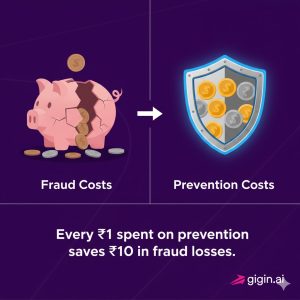
Healthcare firms hiring gig workers nationwide risk operational halts from noncompliant vendors. Consequence: Fraud slips through (75% of theft cases from unverified hires), plus ₹250 Cr in fines if vendor data leaks.
Mitigate with structured contracts mandating DPDP certification, audit rights, and indemnity clauses. Centralized platforms ensure nationwide consistency.
Data Minimization and Storage Errors
Purpose limitation is core to background check regulations India: minimize collection—no excess docs like multiple IDs or medical records for non-clinical roles. Enterprises hoard resumes/PDFs indefinitely, ignoring auto-deletion post-hire or rejection.
Storage blind spots include role-based access lapses and cross-device sharing without encryption. DPDP Phase 1 (active since Nov 2025) activates DPBI oversight, with full compliance due May 2027.
Financial losses mount: bad hires cost ₹5 lakhs each in turnover/fraud, eroding trust in regulated sectors. Solution: Use platforms enforcing data minimization, with auto-purge and anonymized reporting.
Handling Adverse Findings Poorly
Red flags like fake credentials or unexplained gaps must be handled transparently to avoid discrimination claims under background check regulations in India. Blind spot: Relying on unverified online info or incomplete cross-checks leads to biased rejections.
Examples needing proof: framed criminal charges, repeated misrepresentations, or concealed dismissals—especially in healthcare/finance. No transparency on scope erodes candidate trust, inviting legal backlash.
Pan-India hires amplify this: regional verification delays create gaps. Impact: Lawsuits for caste/religion bias if patterns emerge.
Best practice: Document query processes, share summaries pre-decision, and limit to material facts.
Incomplete Verification in High-Risk Sectors
Healthcare and retail ignore sector-specific mandates, like licensure for nurses or identity for gig cashiers, creating blind spots. Background check regulations India prohibits skipping education/employment history, yet 37% of checks are superficial.
DPDP bans discriminatory reliance on caste-linked data. Nationwide ops suffer from inconsistent regional reach, delaying onboarding.
Emerging Tech and Cross-Border Risks
AI-driven checks risk bias without audits; global hires trigger GDPR overlaps with DPDP. Blind spot: No grievance redressal for candidates.
The Cost of Blind Spots
Fines of ₹5L+ per bad hire and lawsuits compound—non-compliance halts operations.
Closing the Gaps: Actionable Steps
Audit Vendors: Demand DPDP proofs and SLAs.
Automate Compliance: Consent/data tools reduce risks by 40%.
Train HR: On red flags, transparency.
Go Pan-India: Centralized BGV for uniformity.
Blind Spot | Risk | Fix |
Weak Consent | ₹250 Cr fines | Granular portals |
Vendor Lapses | Liability leaks | Vetted contracts |
Over-Collection | Audits | Minimize and purge |
Adverse Handling | Discrimination suits | Transparent docs |
Incomplete Checks | Fraud: ₹5L/hire | Full spectrum BGV |
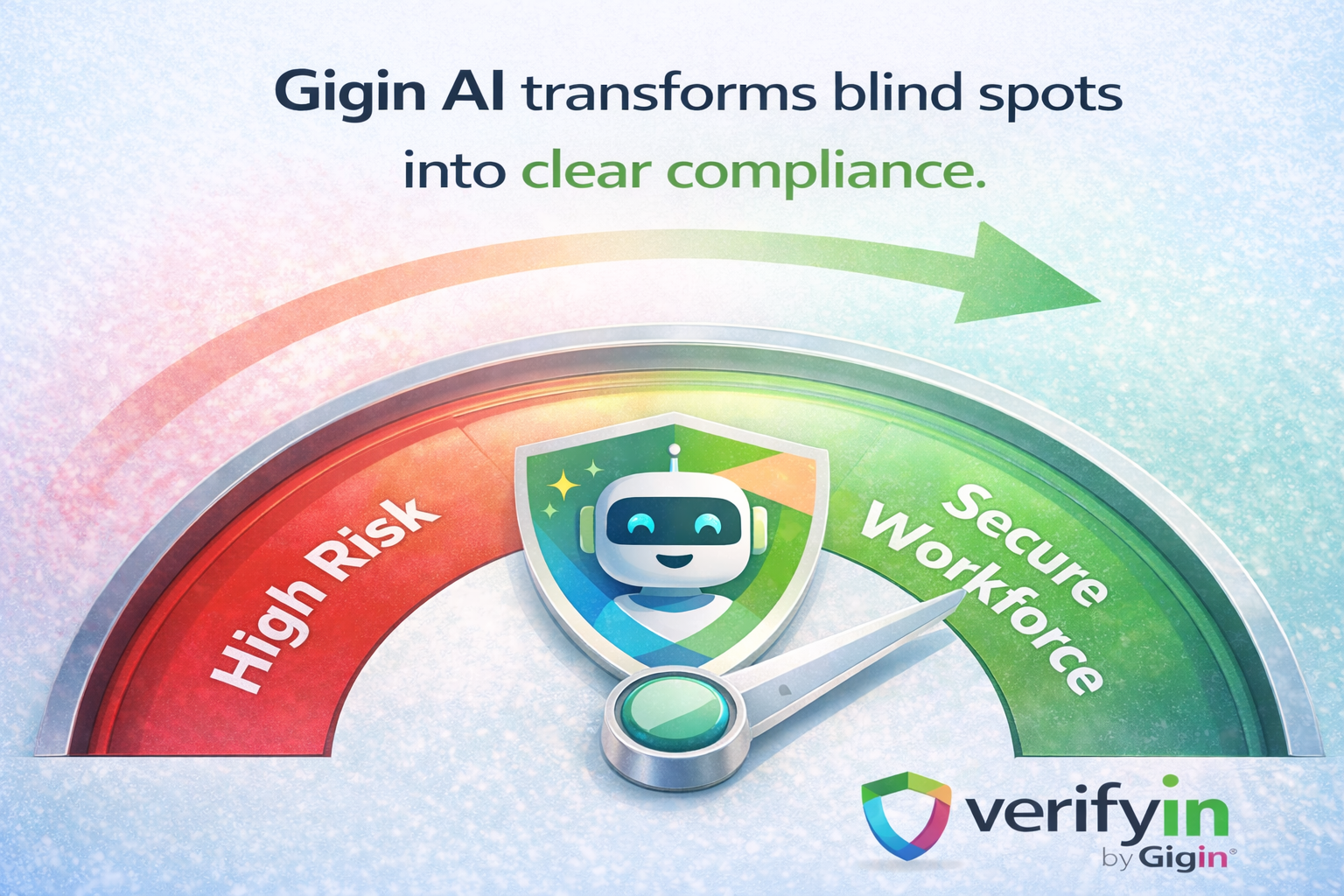
Enterprises mastering background check regulations in India via Gigin.AI-like platforms turn risks into safeguards. Act now—compliance is your 2026 edge.